Thailand suits people who value service convenience, food culture, regional travel and an established international community. Bangkok leads for work and healthcare, Chiang Mai for northern city life, Phuket for developed island services, and the Gulf or mainland coasts for narrower lifestyle priorities.
Choose the system behind the scenery
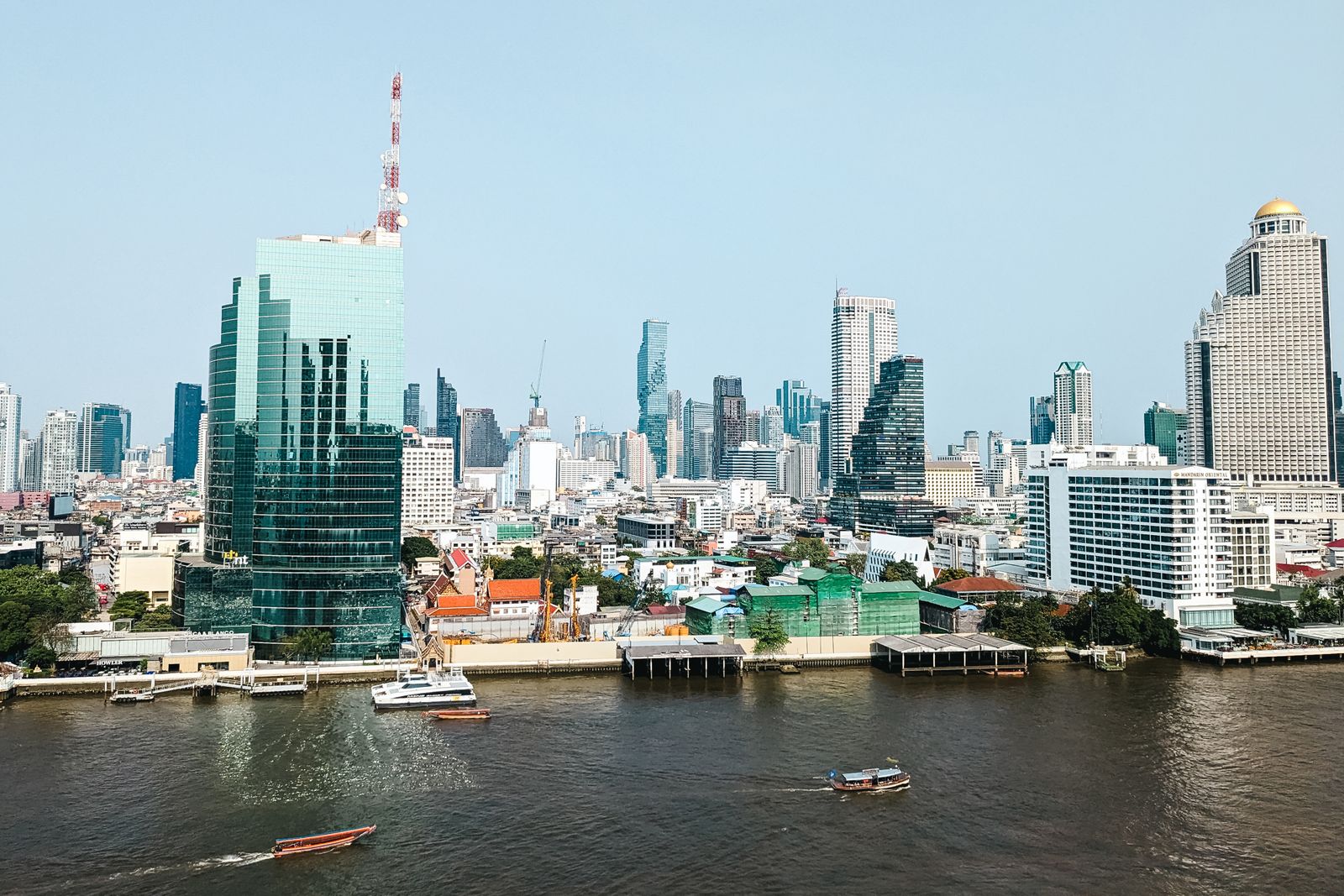
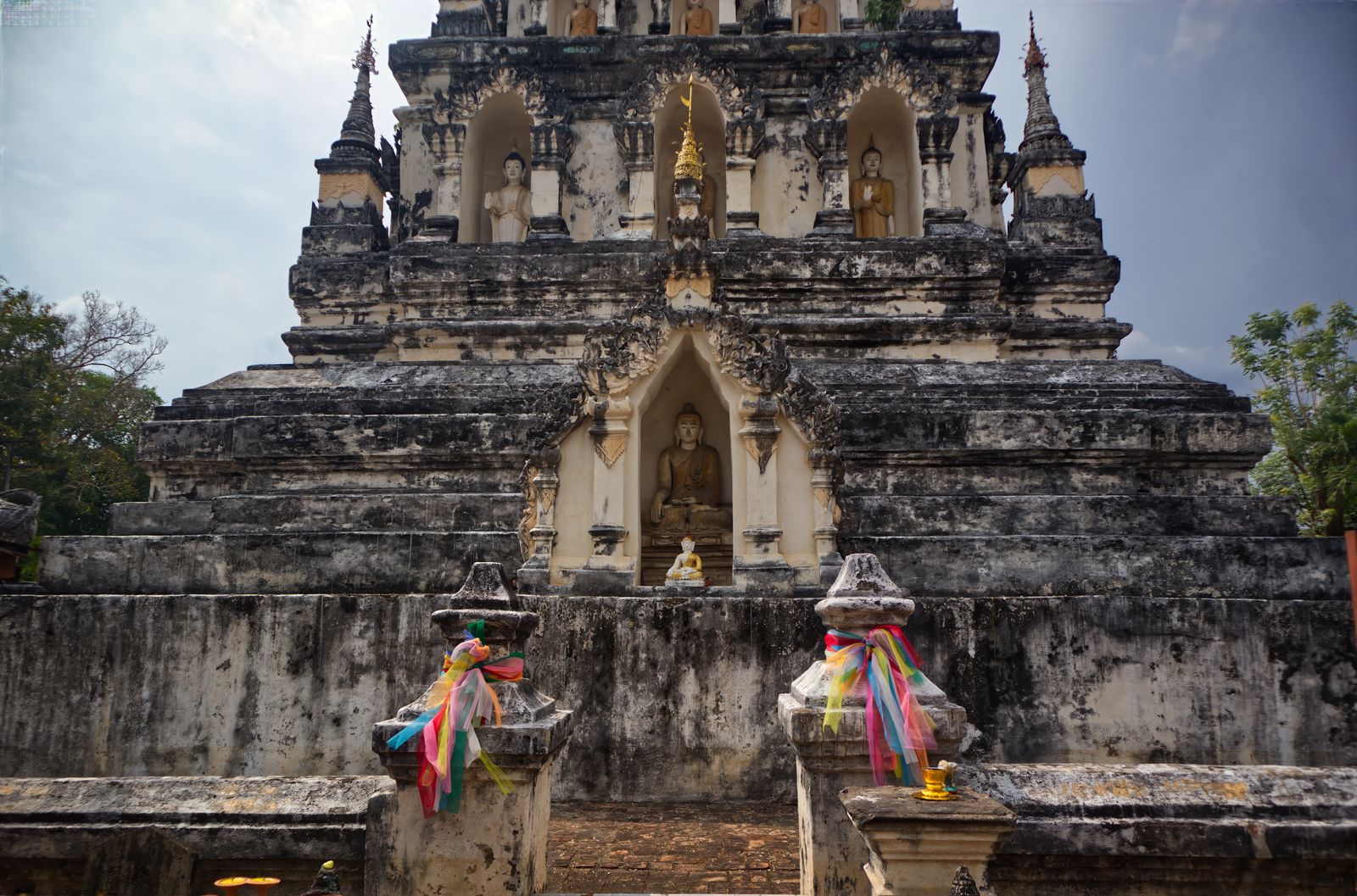
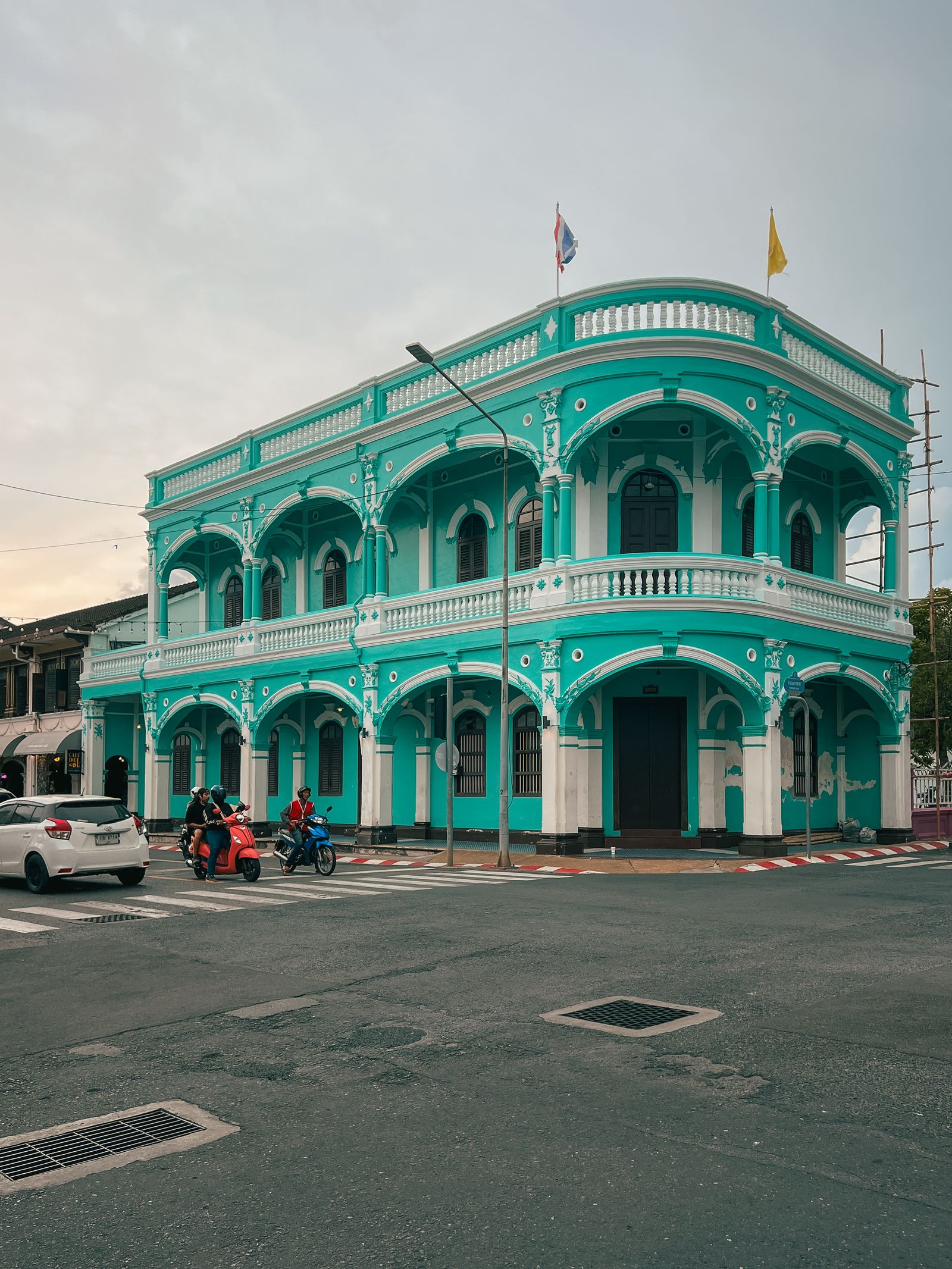
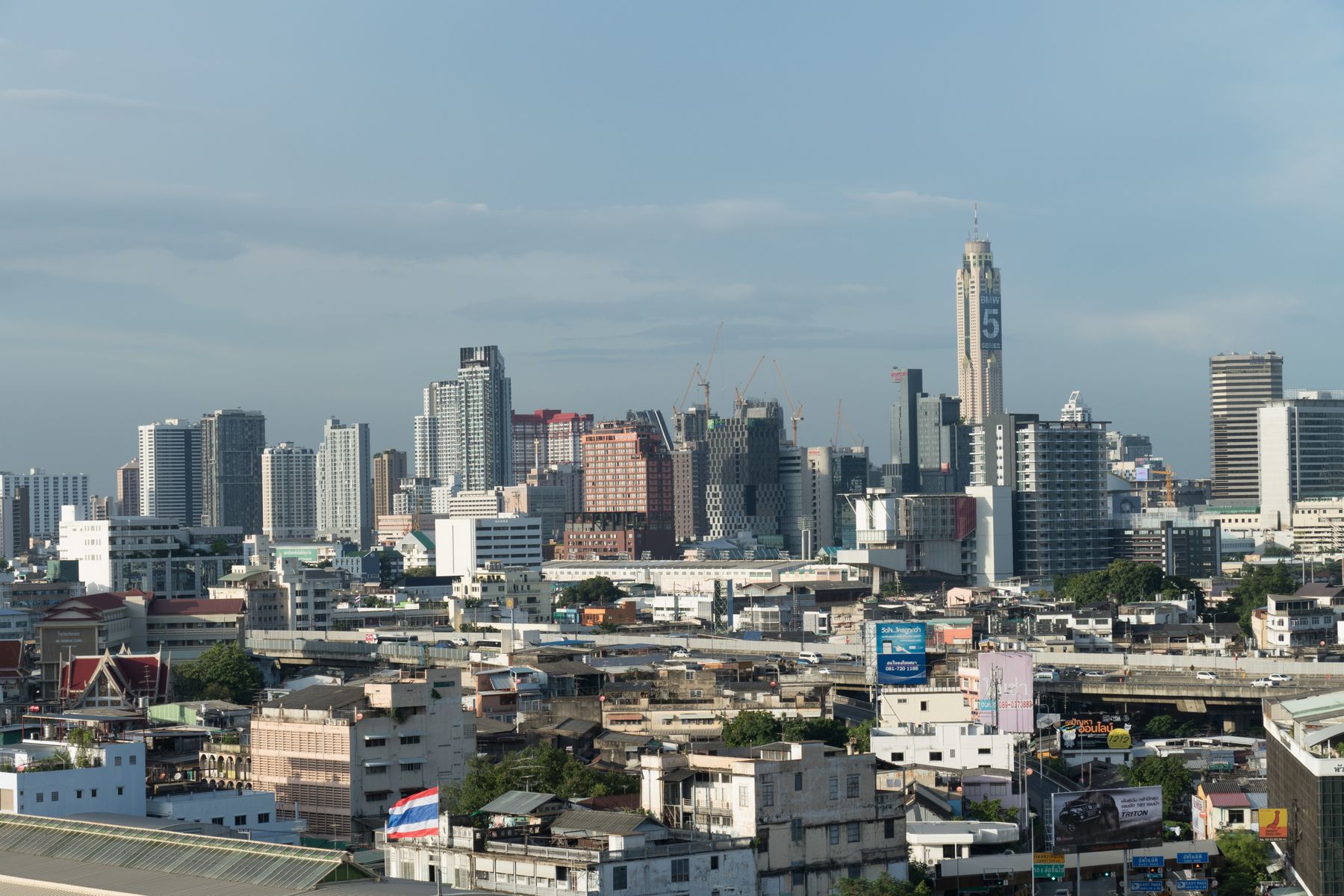
Bangkok is the country's employment, transport and specialist-health anchor, with the deepest public-transit network and the highest urban intensity. Chiang Mai offers universities, culture and a compact northern social scene, but seasonal smoke is a serious planning constraint. Phuket combines international services and island geography with road dependence and tourism pricing.
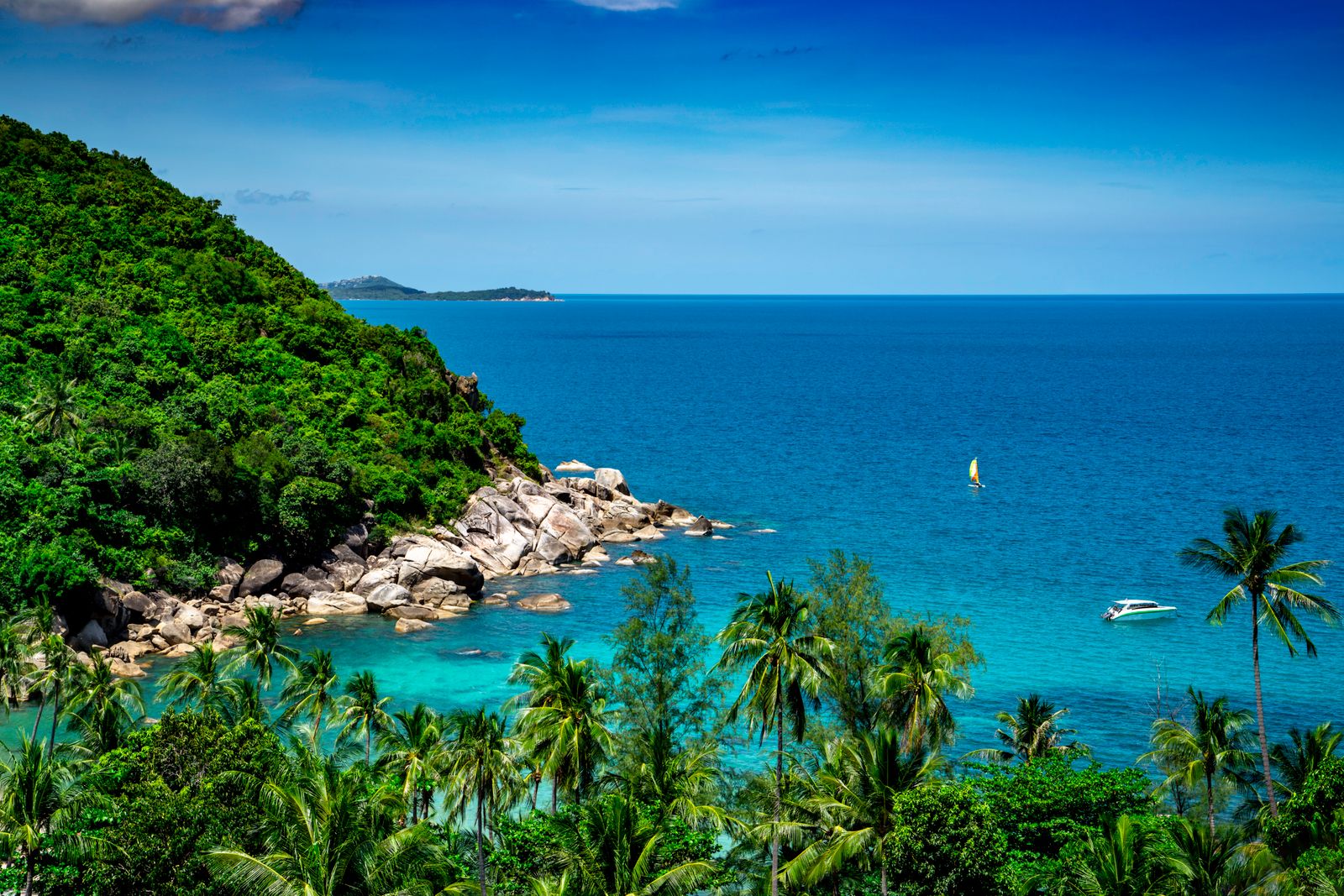
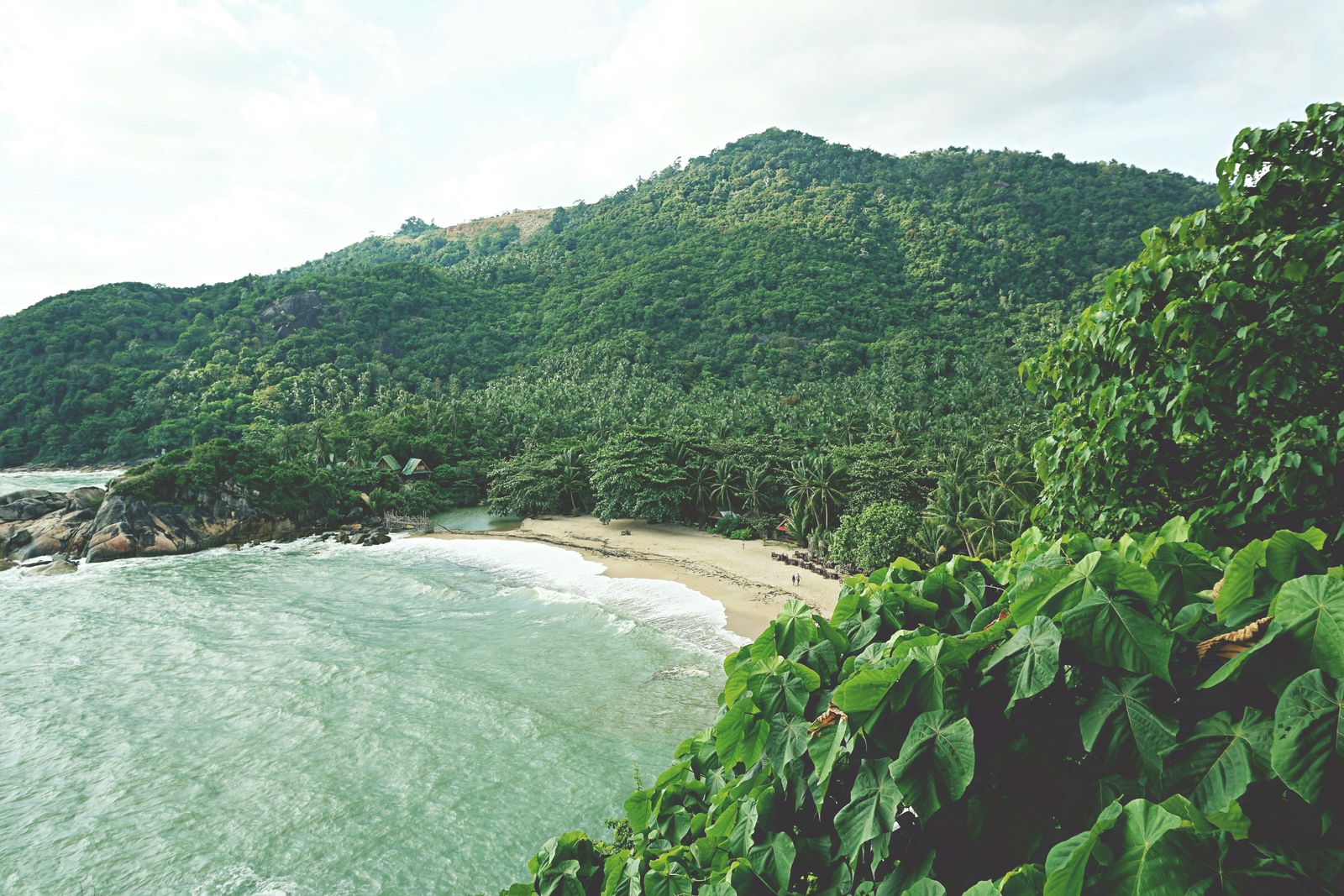
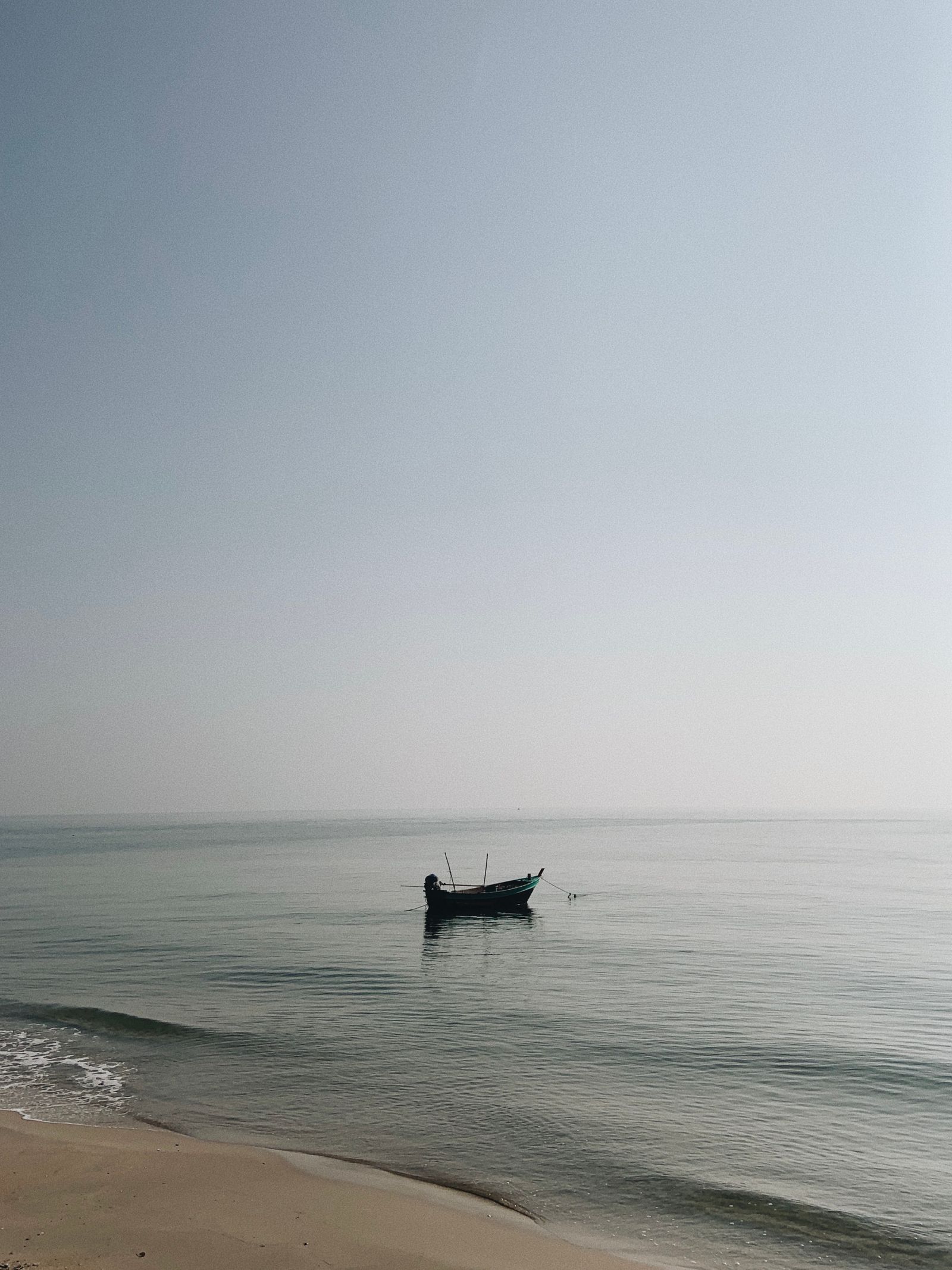
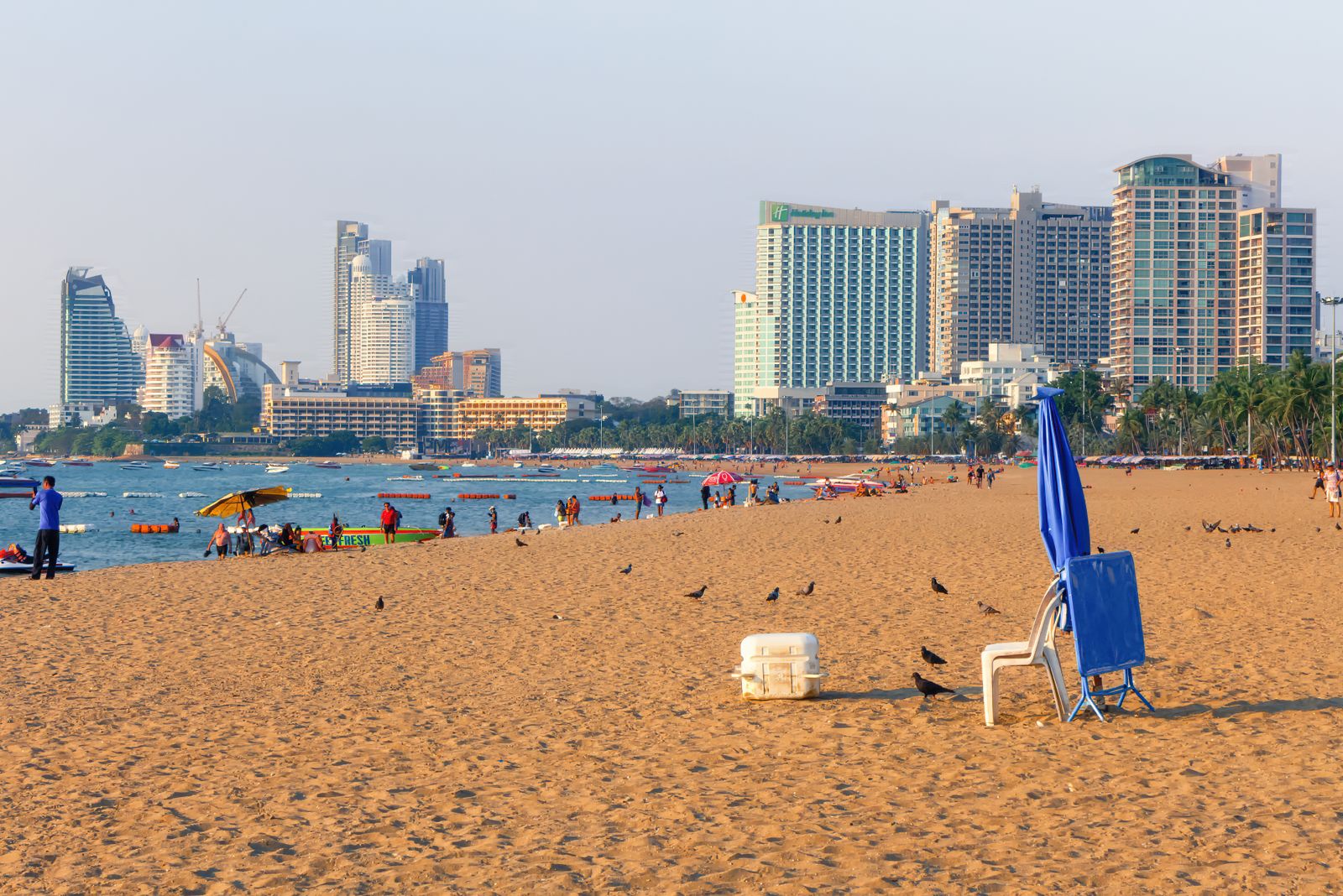
Koh Samui has an airport and substantial private services; Koh Phangan is smaller and more ferry-dependent. Hua Hin provides a calmer mainland coast with rail and road access, while Pattaya combines a large service economy with Eastern Seaboard links. Decide which hospital, school, job or transport connection cannot be replaced, then choose the place.
Choose a visa route around what you will actually do
The Ministry of Foreign Affairs' Thai eVisa portal is the correct starting point for current visa categories, participating posts and application requirements. The Destination Thailand Visa is relevant to qualifying remote workers, freelancers and certain approved activities. Retirement, marriage, employment, business, education and long-term resident routes solve different problems and require different evidence.
Permission to enter or stay does not automatically settle Thai employment, company activity, tax residence or social security. Local work has separate legal requirements. Describe the actual employer, clients, duties and time present when taking professional advice.
The climate test changes by region
In Bangkok, inspect flood access, traffic noise, cooling efficiency and the route to rail. Chiang Mai homes need smoke sealing, filtration and heat checks. On islands and coasts, add drainage, salt corrosion, water pressure, mould, storm exposure and the reliability of the final road. A short-term holiday unit may not perform as a year-round home.
Thailand's consumer-protection authority publishes current guidance for controlled residential-rental businesses. Verify the owner or authorised agent, inventory, deposit, notice terms, utilities and maintenance responsibility. Test fibre and mobile backup inside the exact unit and visit the street during rain or evening activity where possible.
Transport determines how much of Thailand you can use
Bangkok's rail, bus and hired-transport options support car-light life along the right corridor. Chiang Mai and the beach centres depend more heavily on roads and local transport, while Phuket's separate west-coast areas can turn a short map distance into a long commute. Island routines add ferries, limited routes or flight costs.
State rail, intercity buses and domestic flights connect the main regions, but station or airport transfers belong in the calculation. Before driving, confirm licence recognition, insurance and vehicle rules through official channels. Compare the normal route to work, school, hospital and the airport rather than the nearest attraction.
Monsoon, heat and air quality are regional
The Thai Meteorological Department publishes province-level forecasts, warnings and climate information. Andaman and Gulf coasts do not share identical wet-season timing, and local flooding or sea conditions can disrupt access. Heat affects cooling costs and outdoor routines across the country even when rainfall patterns differ.
Northern smoke requires separate treatment. Air4Thai is the official Pollution Control Department reporting service; use live readings and a seasonal plan rather than broad claims that one month is always safe. Households with respiratory conditions should test filtration, sealing and a temporary alternative base before committing long term.
Healthcare depth falls away from the main hubs
Bangkok has the broadest specialist and private-hospital market. Chiang Mai, Phuket, Pattaya, Hua Hin and Samui support substantial routine and emergency care, but network depth differs and smaller islands may require transfer. Thailand's National Institute for Emergency Medicine identifies 1669 for emergency medical services.
Choose a nearby emergency facility and separately confirm any continuing specialist care. Insurance should state usable hospitals, direct-billing arrangements, exclusions and evacuation cover. Families should place school admission and medical support before a preferred beach or neighbourhood, particularly where a ferry or mountain road sits between home and care.
Schools determine where family life can work
International-school fees, admissions, curriculum, transport and the school run can reshape the entire household budget. Shortlist schools before signing a lease, then test the journey at the time children would actually travel. Bangkok, Chiang Mai and Phuket offer the deepest choices, but catchments, waiting lists and specialist support vary.
Local value and international demand coexist
Local food, transport and services can offer strong value, while imported goods, international schools, premium hospitals, central Bangkok condominiums and internationally marketed island housing create another price layer. Electricity for cooling, private transport and frequent domestic flights can erase a headline rent advantage.
Build a city-specific budget from current quotes for rent, deposits, energy, transport, insurance, education, immigration and tax advice. Keep an exchange-rate and emergency-travel margin. Thailand works best when the legal route, climate plan, healthcare network and recurring weekly journeys support the same lifestyle choice.