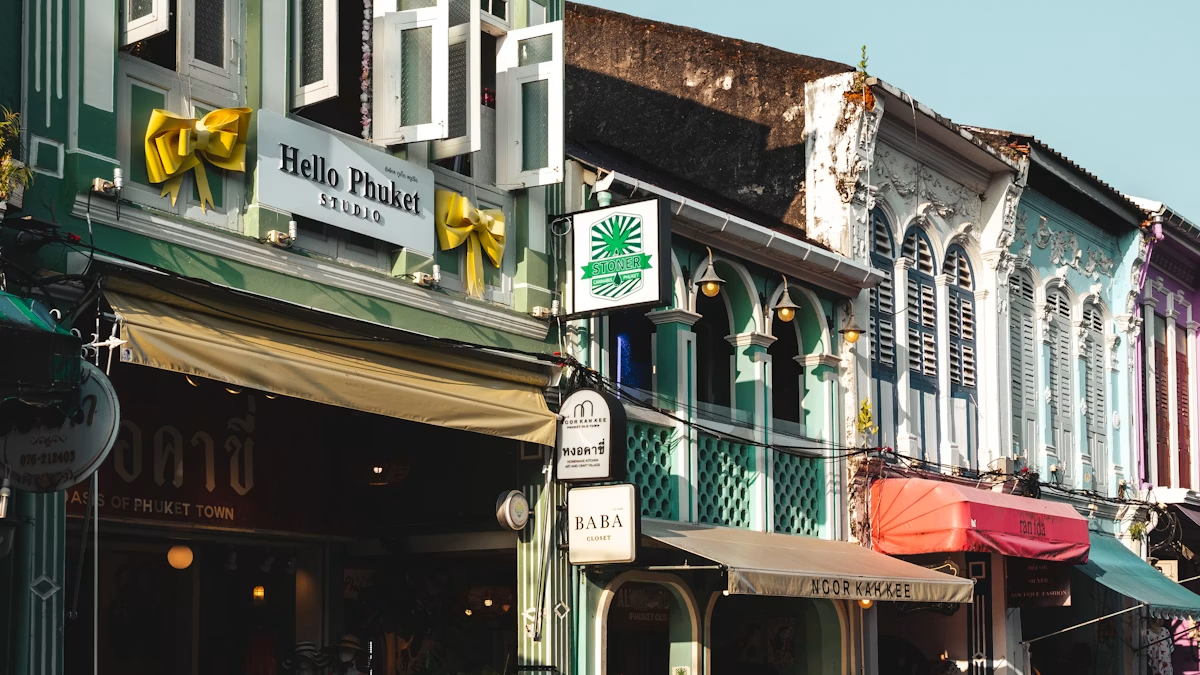
I've been to a lot of places and visited every country in Southeast Asia apart from two, so what makes me keep picking Phuket? It has what individuals and families actually need. Good hospitals, schools, shopping centres, restaurants, an international airport, beaches, national parks, waterfalls, gyms, cafes, bars, nightlife, markets, and an expat community that is actually becoming something. And despite what people still think about Thailand, it is not some rundown cheap place to live. It is still cheaper than the West, but it is far more developed than the Thailand a lot of millennials and baby boomers remember.
This is the honest version: what's good, what's annoying, and the practical stuff I wish someone had told me before I moved.
It's a real island, not a resort
Phuket is a real island of about 400,000 people. It has traffic, a rainy season, hospitals, schools, supermarkets, markets, and areas that feel completely different from each other. The people who are happy here treat it as somewhere they live, not somewhere they're permanently on holiday. That one change of mindset sorts out most of the complaints you read online.
Where you live decides everything
Phuket is long enough, busy enough and mountainous enough that a cross-island routine gets old quickly. The practical question is not “which area is best?” but “where will most of my ordinary week happen?” A family may optimise for the school run; a remote worker for a quiet home and coworking; someone training daily for the gym. The detailed trade-offs belong in the Phuket areas guide, where they can be updated without turning this feature into a second neighbourhood directory.
What it actually costs
The cheap-paradise idea is only half true. Local food, services and an inland home can be good value; a west-coast villa, international school, private healthcare, imported groceries and daily taxis are a different budget. Rather than repeat figures that already have a dedicated update cycle, use the current Phuket cost-of-living guide. Families should also budget from the school fees and admissions guide.
The day-to-day
People move here expecting a holiday and forget it's actually more like a 9-to-5, just in a tropical place. You still work through the morning. The difference is what goes around it: an early swim or gym before it gets hot, a cheap and decent lunch, a break in the hottest part of the afternoon, then the beach, padel, a run club or dinner once it cools down. The weather pushes you into a healthier routine, and most people find they move more and eat better here than they did back home.
Rainy season and traffic
This is the part short visits can hide. Wet-season rain can be intense rather than gentle, and a storm arriving at school-run or commuter time changes the whole journey. Outdoor plans need a backup, laundry needs more thought, and a house should be checked for drainage, leaks and mould before a long lease.
Traffic is concentrated around Patong, Chalong, Bang Tao, school routes and the major junctions. Rain magnifies it. Living here teaches you to cluster errands, avoid unnecessary cross-island journeys and leave generous time when an appointment matters. For month-by-month weather planning, use the separate Thailand seasons guide.
The trade-offs nobody mentions
High season (roughly November to March) is busy and more expensive. Green season is quieter and cheaper, which is good if you live here and not so good if you're here for a quick trip. Healthcare is good, but you'll want health insurance to cover it. Paperwork takes patience. The island can feel transient, so building a steady group of friends takes a bit of effort. Visa rules keep changing as well, so check the current entry rules before you book anything long term. If you're planning a trip, read the best time to visit Thailand. If you're thinking about renting or buying here rather than just visiting, read where to live in Phuket next.
Community is the bit that matters most
The people who last here are rarely the ones with the nicest villa; they are the ones with a repeatable social rhythm. A run club, Muay Thai gym, coworking crowd or Sunday lunch group creates familiar faces without forcing friendship. Start with the community guide and the Phuket events calendar, then keep showing up to the same things.
Phuket isn't for everyone, and it doesn't try to be. But if you want warmth, good value, nature and a real community close by, and you're happy to live here like a local rather than a tourist, it's hard to beat. That's why I'm still here.